Introduction
A new roof is one of the most significant improvements a homeowner can make. Not only does it protect the structure from the elements, but it also contributes to energy efficiency, curb appeal, and overall property value. While many homeowners understand the importance of a quality roof, fewer know what actually happens during a professional roof installation.
Understanding the process can help reduce stress, improve communication with contractors, and ensure realistic expectations throughout the project. From the initial preparation phase to the final inspection, every step plays a vital role in creating a roofing system that will perform reliably for years to come. Knowing what to expect can make the entire experience smoother and more rewarding.
Preparing the Property Before Work Begins
Before installation day arrives, roofing contractors typically conduct a thorough assessment of the property and finalize project details. This planning stage ensures that materials, labor, equipment, and timelines are properly coordinated.
Homeowners may be asked to move vehicles away from the home and remove valuable items from walls or shelves inside the house. Roofing work often creates vibrations that can cause pictures, decorations, or loose items to shift during installation. Outdoor furniture, grills, potted plants, and other belongings may also need to be relocated to protect them from falling debris.
Professional roofing crews often set up protective coverings around landscaping and other vulnerable areas before work begins. Dumpsters or debris collection systems may also be delivered in advance to streamline cleanup throughout the project. Taking these precautions helps minimize disruptions and creates a safer work environment for everyone involved.
Removing the Existing Roofing System
One of the first major steps in the installation process is removing the old roofing materials. In most cases, contractors strip away existing shingles, underlayment, flashing, and other damaged components to expose the roof deck beneath.
This stage can be noisy, but it serves an important purpose. Removing old materials allows roofing professionals to inspect the structural components underneath and identify any hidden issues such as wood rot, moisture damage, mold, or weakened decking. Problems that remain concealed beneath old roofing materials can compromise the performance of a new roof if left unaddressed.
Homeowners undergoing a roof replacement project are often surprised by how much material is removed during this phase. While the process may appear dramatic, it creates a clean foundation for the new roofing system and helps ensure long-term durability.
Once the existing materials have been removed, contractors can make necessary repairs and prepare the structure for installation.
Installing Underlayment and Protective Components
After the roof deck has been inspected and repaired as needed, contractors begin installing the protective layers that sit beneath the visible roofing material. These components are critical to the overall performance of the roofing system.
Modern roofing installations typically include water-resistant underlayment designed to prevent moisture intrusion. Ice and water barriers may also be installed in vulnerable areas such as valleys, eaves, and around roof penetrations where leaks are more likely to occur.
Flashing is another essential component. Installed around chimneys, vents, skylights, and other roof openings, flashing helps direct water away from seams and joints. Proper flashing installation is often one of the most important factors in preventing future leaks.
Although homeowners rarely see these materials once the roof is complete, they provide valuable protection against weather-related damage and contribute significantly to the roof’s lifespan.
Installing the New Roofing Materials
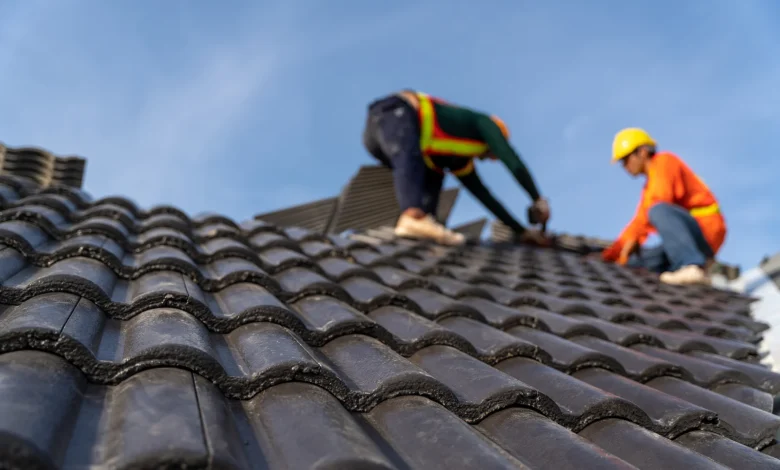
Once the foundation layers are in place, the installation of the visible roofing materials begins. Depending on the project, this may involve asphalt shingles, metal panels, clay tiles, slate products, or other roofing systems.
Professional installers follow manufacturer guidelines to ensure proper placement, fastening, and alignment of materials. Attention to detail is especially important during this stage because even small installation errors can affect the roof’s performance over time.
As materials are installed, roofing crews continuously monitor quality and verify that various components fit together correctly. Ridge caps, ventilation systems, flashing details, and finishing pieces are carefully integrated into the roof design.
Many homeowners enjoy watching the transformation take place. Within a relatively short period, the home begins to take on a completely new appearance as the finished roofing materials are installed. This phase often provides the most visible reminder of the project’s progress.
Cleanup, Inspection, and Final Walkthrough
A professional roof installation does not end when the last shingle is secured. Reputable contractors place significant emphasis on cleanup and final inspection procedures to ensure customer satisfaction.
Roofing crews typically remove debris, collect excess materials, and use specialized magnetic tools to pick up stray nails around the property. Protective coverings are removed, and landscaping areas are checked for any remaining construction materials.
Following cleanup, contractors perform a final inspection to verify that all work meets quality standards and manufacturer specifications. Ventilation systems, flashing details, drainage pathways, and roofing materials are carefully reviewed to confirm proper installation.
Many companies also conduct a walkthrough with the homeowner to discuss the completed project, explain warranty information, and answer any remaining questions. This final review provides peace of mind and allows homeowners to better understand how to care for their new roof moving forward.
Conclusion
A professional roof installation involves much more than simply placing new materials on top of a home. From initial preparation and tear-off work to underlayment installation, roofing material placement, and final inspections, each step contributes to the long-term success of the project.
Understanding what to expect throughout the process can help homeowners feel more confident and prepared when the time comes for a new roof. With experienced contractors, quality materials, and careful attention to detail, a professionally installed roof can provide dependable protection, enhanced appearance, and lasting value for many years to come.
READ ALSO: How Do Hail and Wind Actually Damage a Roof and What Does It Cost to Fix?